.png)
Reclaiming You: Identity, Relationships, and Belonging After CPTSD

Updated: Jul 22

Living with Complex PTSD (CPTSD) can feel like carrying around a heavy backpack you didn’t choose, full of memories, fears, and habits that shape how you see yourself and the world. It’s not just the flashbacks or feeling on edge—it can touch the very core of who you are, how you connect with others, and whether you feel like you truly belong anywhere.
Here’s the truth: you’re not broken. You’ve been surviving. Everything you’ve done to protect yourself made sense at the time. Healing isn’t about fixing something that’s “wrong” with you—it’s about reclaiming the parts of yourself that trauma forced you to hide.
Who You Are and How CPTSD Shapes It
CPTSD usually comes from long-term, repeated trauma—childhood neglect, abuse, emotional manipulation, or living in unsafe environments. Over time, it shapes your sense of self in ways that can be confusing. You might constantly feel “not enough” or like you’re doing something wrong, even when you’re trying your best. Some parts of you—anger, sadness, joy—might feel muted or like strangers, making it hard to trust your own instincts. You may find yourself shifting who you are depending on who you’re with, just to feel safe, and wonder, “Who am I really?” These experiences aren’t flaws—they’re survival strategies. Your nervous system was trying to keep you safe in a world that felt unsafe. Healing means gently reconnecting with your true self.
Reflective prompt: Take a quiet moment and ask yourself: “Which parts of me have I hidden to feel safe?” You don’t need to answer immediately—just notice what comes up. Even naming it internally is a first step.
Relationships and CPTSD

Relationships can feel tricky when you’ve been shaped by trauma. A small fight or misunderstanding may feel like the end of the world and believing someone will stay consistent and safe can feel nearly impossible. You might crave closeness but feel scared of vulnerability, which can make you pull away or overcompensate. Sometimes, going out of your way to make others happy, even at the cost of your own comfort, becomes a default way to keep yourself safe. The first step isn’t to “fix” your relationships—it’s to notice these patterns, treat yourself with kindness, and practice new ways of connecting that feel safer and more authentic.
Reflective exercise: Think of one recent interaction that triggered fear, shame, or withdrawal. Reflect on what your survival habits were in that moment. What might it look like to respond differently if you felt fully safe? No need to act on it yet—just observe.
Finding Belonging

CPTSD can make the world feel alien, like there’s no space for the real you. But belonging is possible—it starts with giving yourself permission to exist fully. Surround yourself with people who see you, not your trauma. Online groups, support communities, or friends who truly understand can be lifelines. Paying attention to your own needs, feelings, and boundaries—and honoring them—is a powerful act of self-trust. Every time you speak your truth, set a boundary, or show up as yourself, you reclaim a piece of your belonging. Belonging isn’t about approval from others; it’s about feeling at home in your own skin and in your life.
Reflective exercise: Spend five minutes writing a letter to yourself from the perspective of someone who truly sees and believes in you. You don’t have to show it to anyone—this is for your heart.
CPTSD may have rewritten some chapters of your life, but you are still the author. By understanding how trauma shaped your sense of self, your relationships, and your place in the world, you can begin to write a story rooted not just in survival, but in presence, connection, and resilience. Every moment you reclaim—every act of speaking your truth, standing in your boundaries, or simply being yourself—is a step back to the person you were always meant to be.
Reclaiming Your Identity
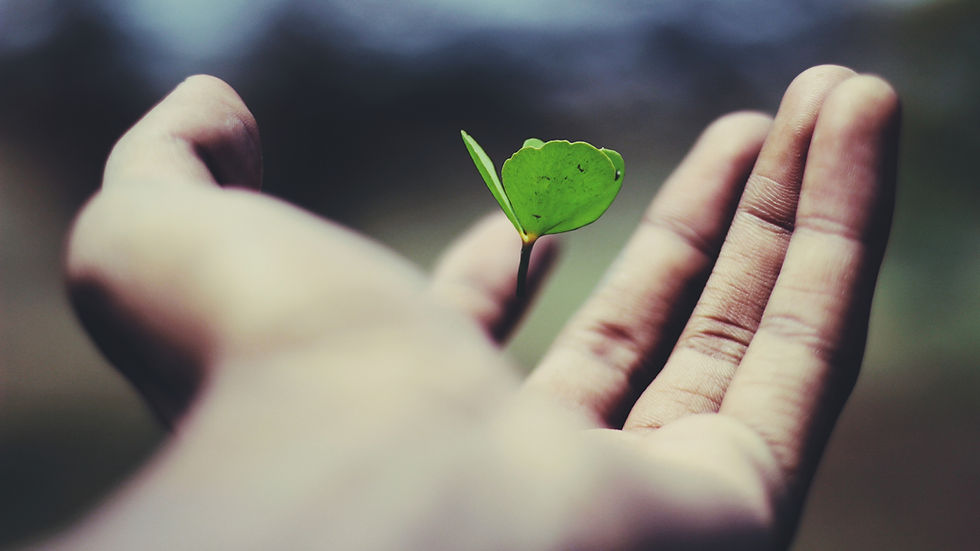
Healing from CPTSD isn’t about erasing the past. It’s about separating who you are from the survival habits you developed. Writing, drawing, dancing, or other forms of creative expression can help you reconnect with your feelings. Treating yourself with gentleness and compassion allows you to celebrate what you’ve survived, even the messy parts. Slowly practicing authenticity in safe relationships, setting boundaries, and opening up to trustworthy people can help you feel more connected and grounded. Healing is rarely linear. It can be messy and uncomfortable at times, but every step you take is proof that your true self is still there, waiting to be reclaimed.
Interested to see how I can help? Check it out here.
CPTSD may have rewritten some chapters of your life, but you are still the author. By understanding how trauma shaped your sense of self, your relationships, and your place in the world, you can begin to write a story rooted not just in survival, but in presence, connection, and resilience. Every moment you reclaim—every act of speaking your truth, standing in your boundaries, or simply being yourself—is a step back to the person you were always meant to be.
Mini-practice: Write down one small act of self-care or boundary-setting you can do this week—something that honors your feelings or needs. Keep it simple. Even tiny steps matter.
Healing from CPTSD isn’t about erasing the past. It’s about separating who you are from the survival habits you developed. Writing, drawing, dancing, or other forms of creative expression can help you reconnect with your feelings. Treating yourself with gentleness and compassion allows you to celebrate what you’ve survived, even the messy parts. Slowly practicing authenticity in safe relationships, setting boundaries, and opening up to trustworthy people can help you feel more connected and grounded. Healing is rarely linear. It can be messy and uncomfortable at times, but every step you take is proof that your true self is still there, waiting to be reclaimed.
So today, notice one small way you reclaimed yourself—your voice, your choice, your presence. Celebrate it, however quietly or loudly you'd like. Every step matters.
Holding space for your healing,
Jen
________________________________________

I’m Jen McNeil, a social worker & trauma-informed therapist specializing in complex trauma, childhood wounds, and the ways our past experiences can shape how we relate to ourselves and others. I believe healing happens through compassion, curiosity, and creating a safer relationship with yourself.
Healing isn’t about becoming a different person. It’s about coming back to yourself.
Reach out today for your free 15-minute phone call to see how I can help!


Comments